
How to Make Authentic Passata at Home
If you enjoy cooking Italian dishes from scratch, learning how to make homemade passata is a skill worth mastering. Passata is a smooth, uncooked tomato purée made from ripe tomatoes that have been peeled and strained to remove seeds and skins. Unlike tomato sauce or tomato paste, passata contains 100% tomatoes, without herbs, onions, garlic, or preservatives.
Its naturally sweet flavor and silky texture make it the perfect base for pasta sauces, pizzas, soups, stews, and countless Mediterranean recipes.
Making passata at home is surprisingly easy, especially during tomato season when ripe tomatoes are abundant. With just one ingredient, you can preserve the fresh taste of summer and enjoy authentic Italian flavor all year long.
What Is Passata?
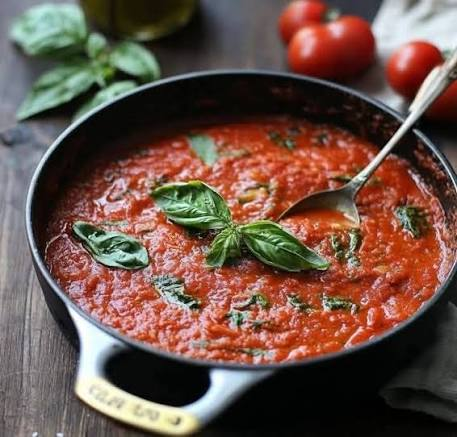
Passata is a traditional Italian tomato purée made by crushing fresh ripe tomatoes and straining them until completely smooth. The result is a vibrant red sauce with a fresh tomato flavor and a velvety consistency.
Unlike many prepared tomato sauces, passata contains no seasoning or added ingredients, making it one of the most versatile staples in Italian cooking.
It differs from:
- Tomato sauce, which is cooked with herbs, onions, garlic, or spices.
- Tomato paste, which is heavily reduced to create a concentrated flavor.
- Crushed tomatoes, which usually contain seeds and pieces of tomato.
Because of its pure taste, passata serves as an excellent foundation for countless homemade recipes.
Why You’ll Love This Homemade Passata
This simple recipe offers many advantages over store-bought versions.
Here’s why you’ll love it:
- Made with only one ingredient
- No preservatives or additives
- Naturally rich tomato flavor
- Smooth and silky texture
- Perfect for pasta, pizza, and soups
- Easy to preserve for later use
- Budget-friendly during tomato season
- Great for meal prep
Ingredients
| Ingredient | Purpose |
|---|---|
| 1 kg ripe tomatoes (preferably San Marzano) | The only ingredient needed |
Optional for storage:
- Sterilized glass jars
- New airtight lids
The Best Tomatoes for Passata
The quality of your tomatoes determines the quality of your passata.
The best choices include:
- San Marzano tomatoes
- Roma tomatoes
- Plum tomatoes
- Very ripe garden tomatoes
- Sweet cherry tomatoes (if fully ripe)
Choose tomatoes that are:
- Deep red
- Firm but juicy
- Naturally sweet
- Free from bruises
How to Make Homemade Passata
Step 1: Wash the Tomatoes
Rinse the tomatoes thoroughly under cold running water.
Drain well and cut each tomato in half lengthwise.
Remove the seeds with a small knife or spoon if desired for an even smoother finish.
Step 2: Loosen the Skins
Place the tomatoes in a large pot.
Cover with water.
Bring to a gentle boil for about 5 minutes, just until the skins begin to loosen.
Drain immediately.
The skins should peel off easily.
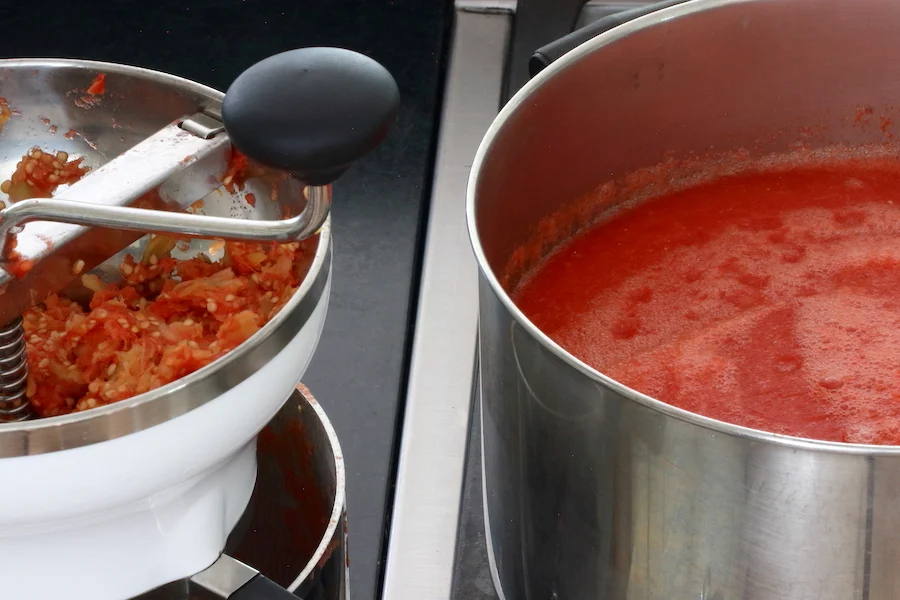
Step 3: Purée the Tomatoes
Pass the peeled tomatoes through a food mill or tomato press.
This removes any remaining skins and seeds while producing a smooth purée.
For an extra silky texture, pour the purée through a fine mesh sieve.
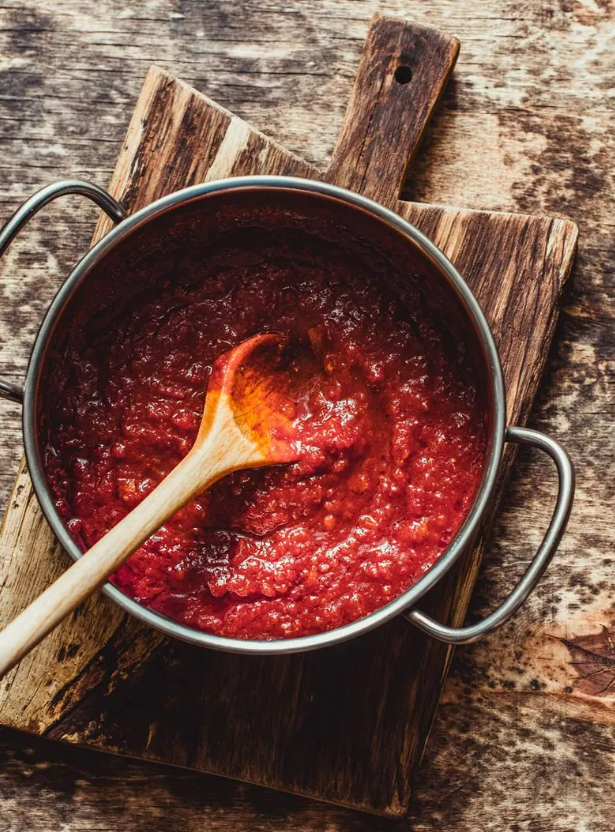
The result should be bright red, thick, and completely smooth.
Step 4: Store the Passata
Pour the finished passata into clean, sterilized glass jars using a funnel.
Leave a small amount of space at the top before sealing.
You can:
- Refrigerate for immediate use.
- Freeze for several months.
- Properly can the jars for long-term pantry storage.
When correctly sealed, homemade passata can last up to one year in a cool, dark place.
Once opened, refrigerate and use within one week.
IMAGE PLACEMENT 3 (2 Suggestions)
- Homemade passata poured into sterilized glass jars.
- Passata being used to prepare pasta sauce with fresh basil and Parmesan.
Ways to Use Homemade Passata
Passata is one of the most versatile ingredients in Italian cooking.
Use it for:
- Pizza sauce
- Pasta sauces
- Lasagna
- Marinara sauce
- Bolognese
- Meatballs
- Tomato soup
- Stews
- Braised meats
- Shakshuka
Because it starts as a neutral tomato base, you can season it however you like.
Tips for Perfect Passata
For the best flavor and texture:
- Use the ripest tomatoes available.
- San Marzano tomatoes produce the sweetest passata.
- Remove skins completely.
- Strain through a fine sieve for a smoother consistency.
- Sterilize jars carefully before storing.
- Label jars with the preparation date.
Storage Guide
| Method | Storage Time |
|---|---|
| Refrigerator | Up to 1 week |
| Freezer | Up to 6 months |
| Properly canned jars | Up to 1 year |
Recipe Summary
| Category | Details |
|---|---|
| Cuisine | Italian |
| Course | Sauce |
| Prep Time | 10 minutes |
| Cook Time | 5 minutes |
| Total Time | 15 minutes |
| Yield | About 2 jars |
| Difficulty | Easy |
Final Thoughts
Homemade Italian passata is one of the simplest yet most rewarding kitchen staples you can make. Using only fresh tomatoes, you create a naturally sweet, smooth purée that forms the perfect base for everything from pasta sauces to hearty soups.
Whether you’re preserving a summer harvest or simply looking for a healthier alternative to store-bought products, homemade passata delivers authentic Italian flavor with minimal effort.
Key Takeaways
- Authentic Italian passata uses only fresh tomatoes.
- No preservatives, herbs, or additives.
- Smooth, silky texture perfect for countless recipes.
- Best made with ripe San Marzano or Roma tomatoes.
- Ideal for pasta, pizza, soups, and stews.
- Easy to freeze or preserve in sterilized jars.
- Great way to use fresh seasonal tomatoes.
- A must-have pantry staple for Italian cooking.